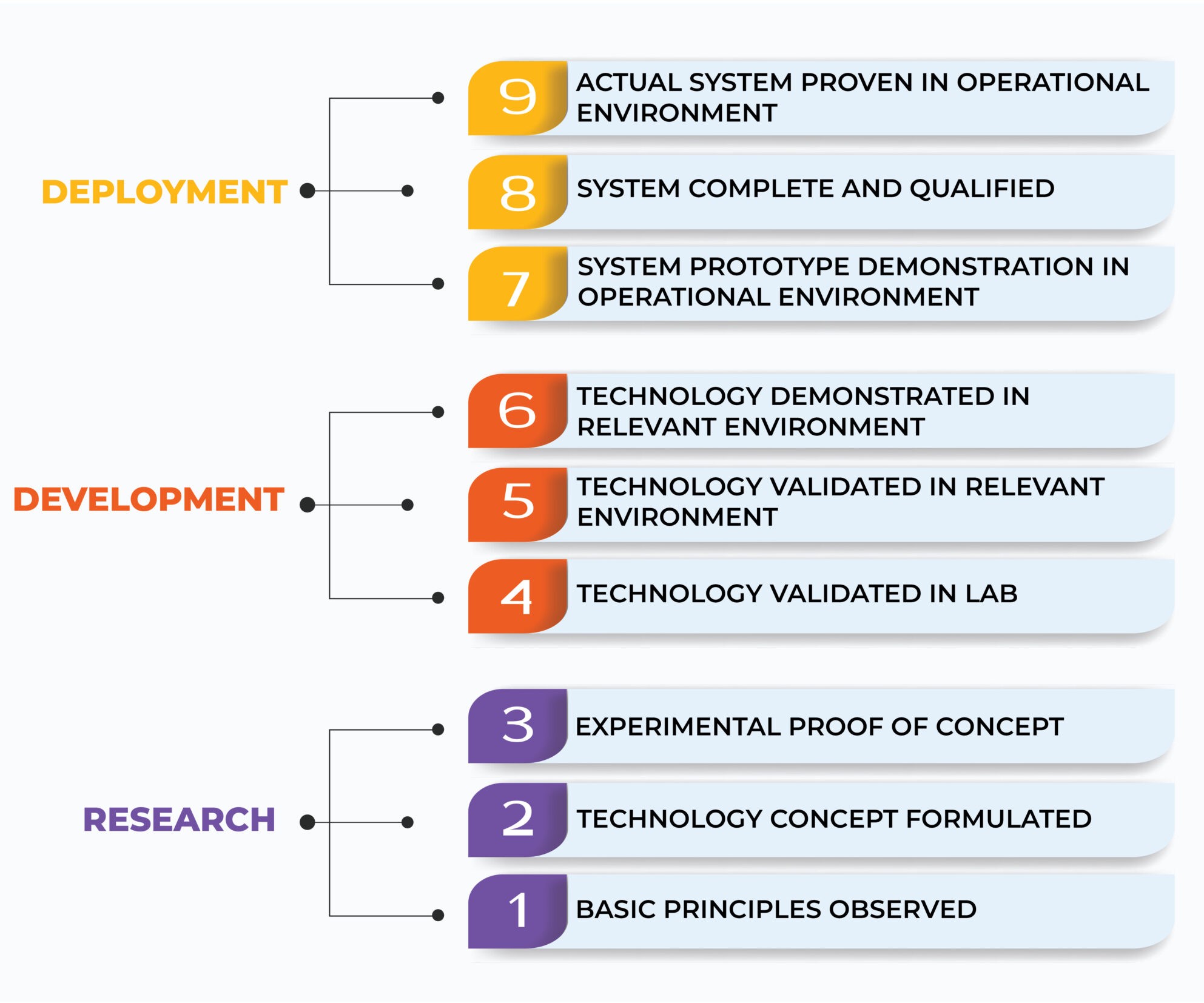
Technology Readiness Assessment is a crucial process that supports inventors and startups in advancing their technologies toward market readiness. TNTTFC assists innovators in obtaining Technology Readiness Level (TRL) certification through the National Establishment for Technology Readiness Assessment (NETRA), a joint initiative of NRDC and CSIR-NISCPR.
NETRA evaluates technology maturity across various fields, bridging the gap between developers and end-users and providing essential support for successful commercialisation.
Pinpoints areas where the technology needs further development before it is market ready.
Surfaces technical, commercial, and deployment risks early in the innovation journey.
Provides enabling insights to guide investors, developers, and industry partners.
An official TRL certificate recognised by NRDC and CSIR-NISCPR for your technology.
A detailed report outlining risk areas and readiness gaps in your technology.
A structured plan to guide your technology from its current level to full commercialisation.
The TRL scale measures how mature a technology is, from basic research (TRL 1) to full deployment in the market (TRL 9).
Fill out and submit the EOI form to initiate the NETRA certification process for your technology.
An initial discussion to understand the technology, its current readiness, and commercialisation goals.
An in-depth technical review conducted by a domain expert to assess TRL and identify gaps.
The SME prepares and submits a comprehensive Technology Readiness and Risk Assessment Report.
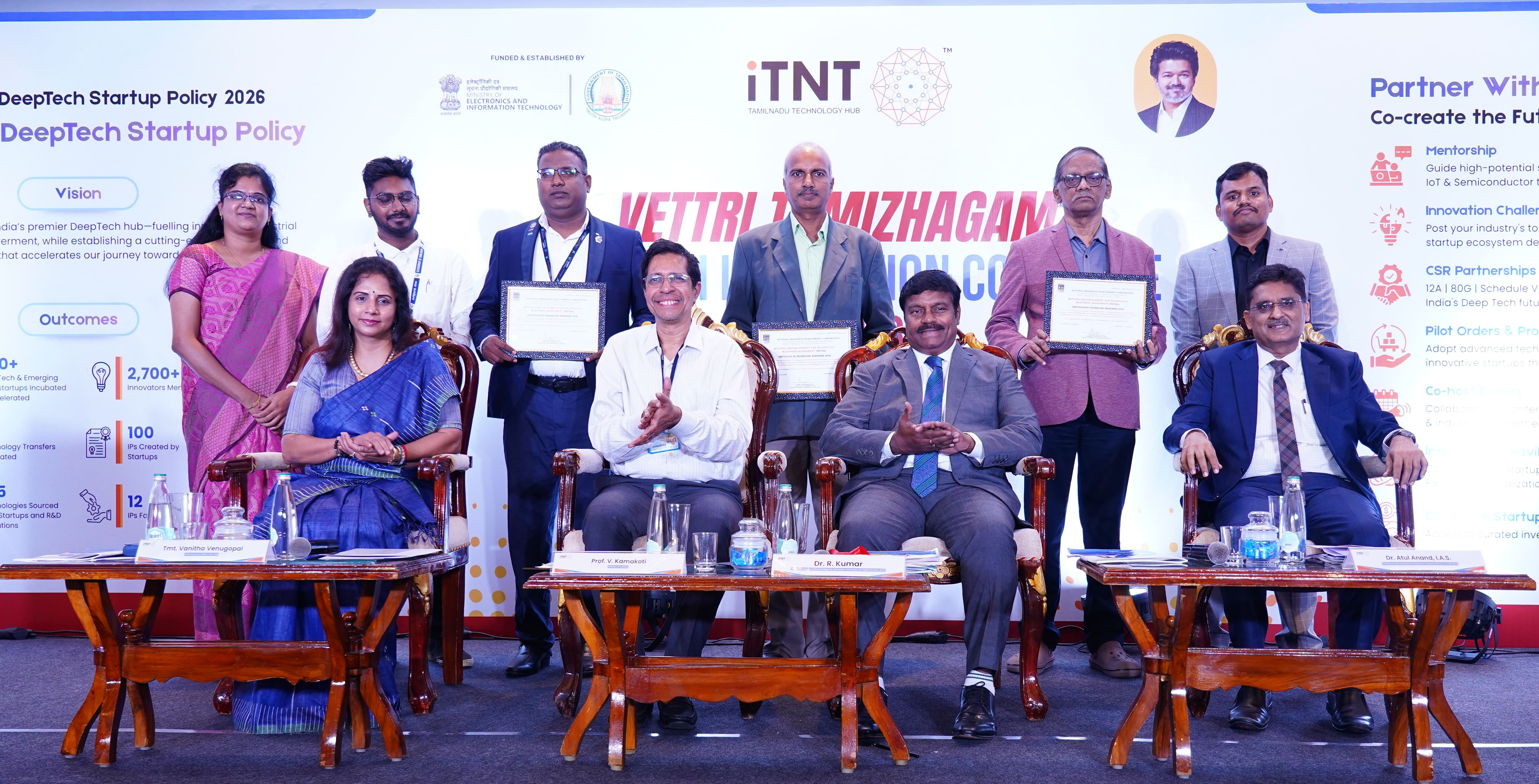
Upon review and approval, the official NETRA TRL Certificate is issued to the applicant.
Submit your Expression of Interest to begin the NETRA certification journey.
NETRA is NRDC’s framework for assessing Technology Readiness Level (TRL). TNTTFC facilitates eligible innovators access and navigate the process.
TRL shows how mature a technology is and how ready it is for development, transfer, or commercialization.
This includes lab tests, prototypes, simulations, pilot trials, or field validation that show the technology works.
A granted patent can help, but you may also qualify with sufficient technical documentation and validation evidence.